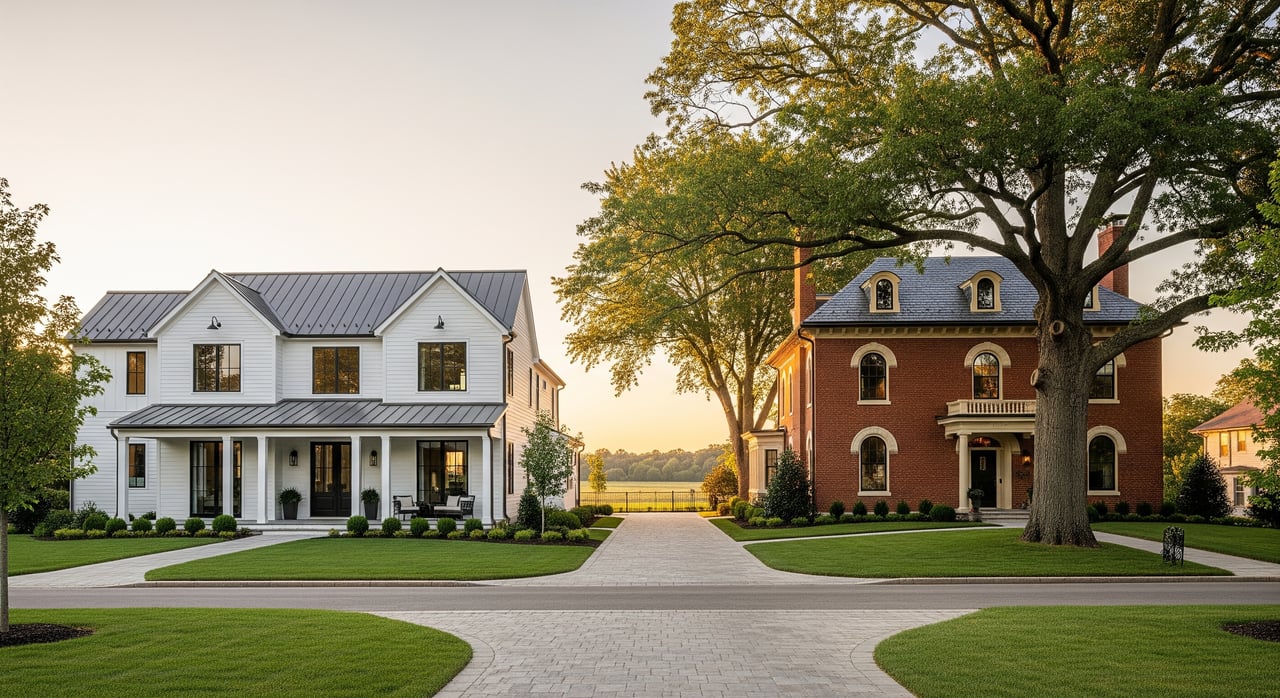
Should you build new or buy a resale home in Richmond and the Madison County area? It is a big decision, especially if you are moving up and want the right mix of space, style, and location. You want clear, local guidance so you can choose with confidence and avoid costly surprises. In this guide, you will compare costs, timelines, financing, inspections, and long-term value through a Richmond lens. Let’s dive in.
Richmond and Madison County context
Where you buy in the Richmond and Madison County area shapes your experience and budget. Inside city limits, you may see smaller lots and quicker access to restaurants, services, and Eastern Kentucky University. In parts of the county, you can find larger lots, more rural settings, and some areas that may be eligible for USDA financing. Commuters along I-75 and US-25 often value predictable travel times to Lexington and nearby employers.
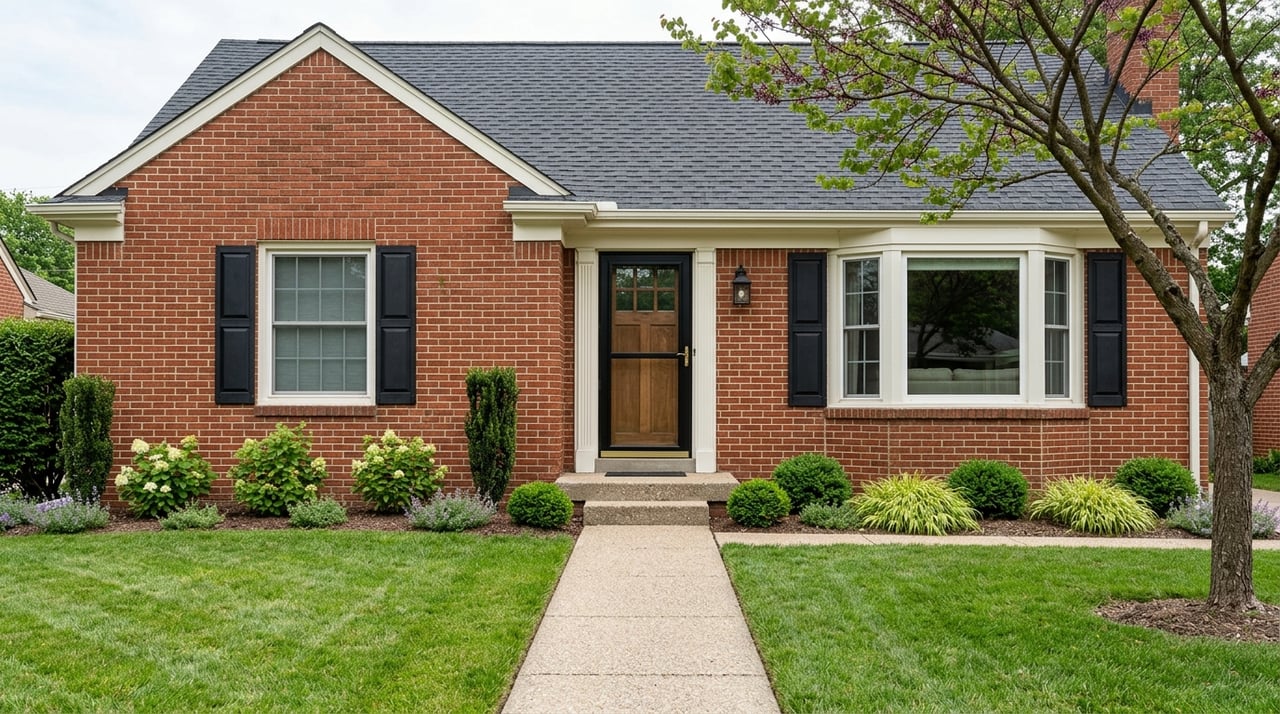
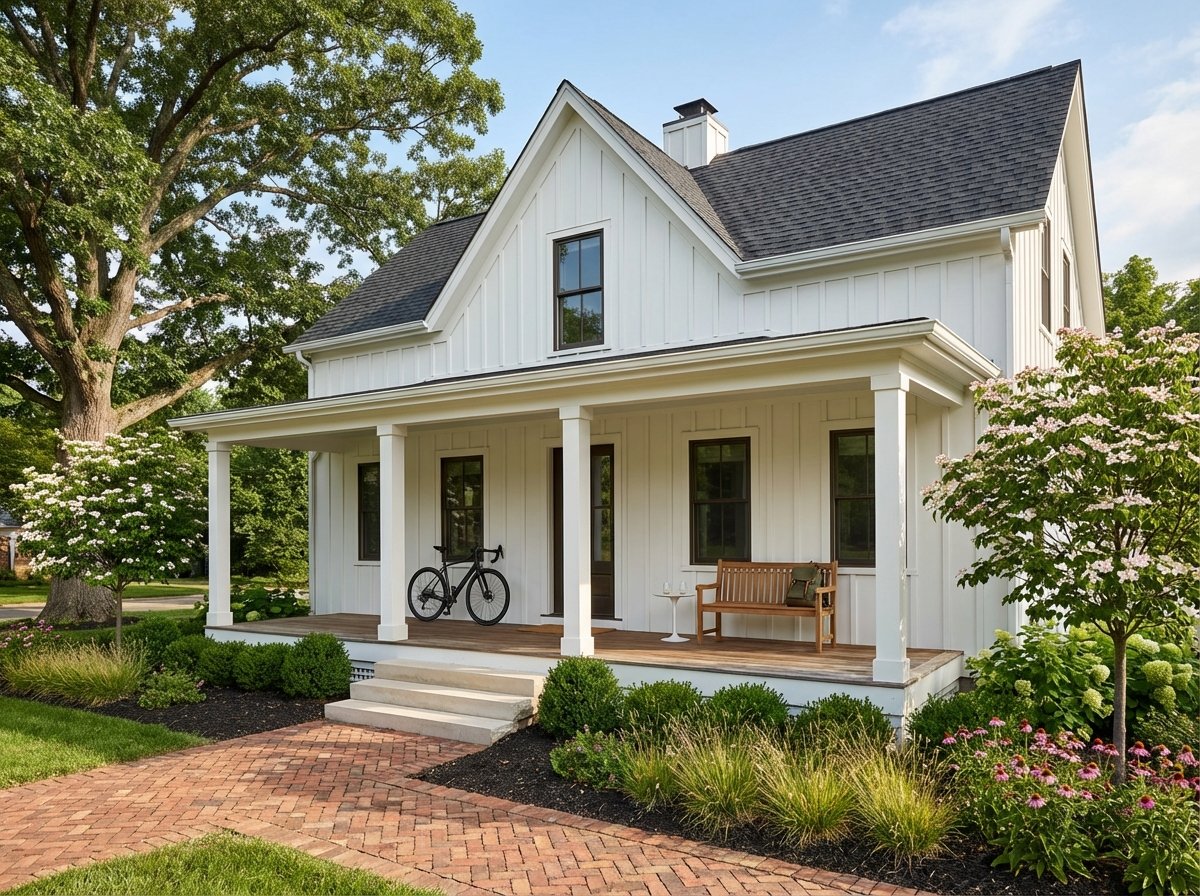
New construction also varies by neighborhood and phase. Some subdivisions have active builder activity, while established streets may offer resales with mature trees and a settled feel. Your decision will likely come down to tradeoffs between customization, timeline, and location fit.
Price and total cost
Price is not just the sticker. Your true move-in cost will include upgrades for new construction or immediate repairs for a resale, plus your closing and carrying costs.
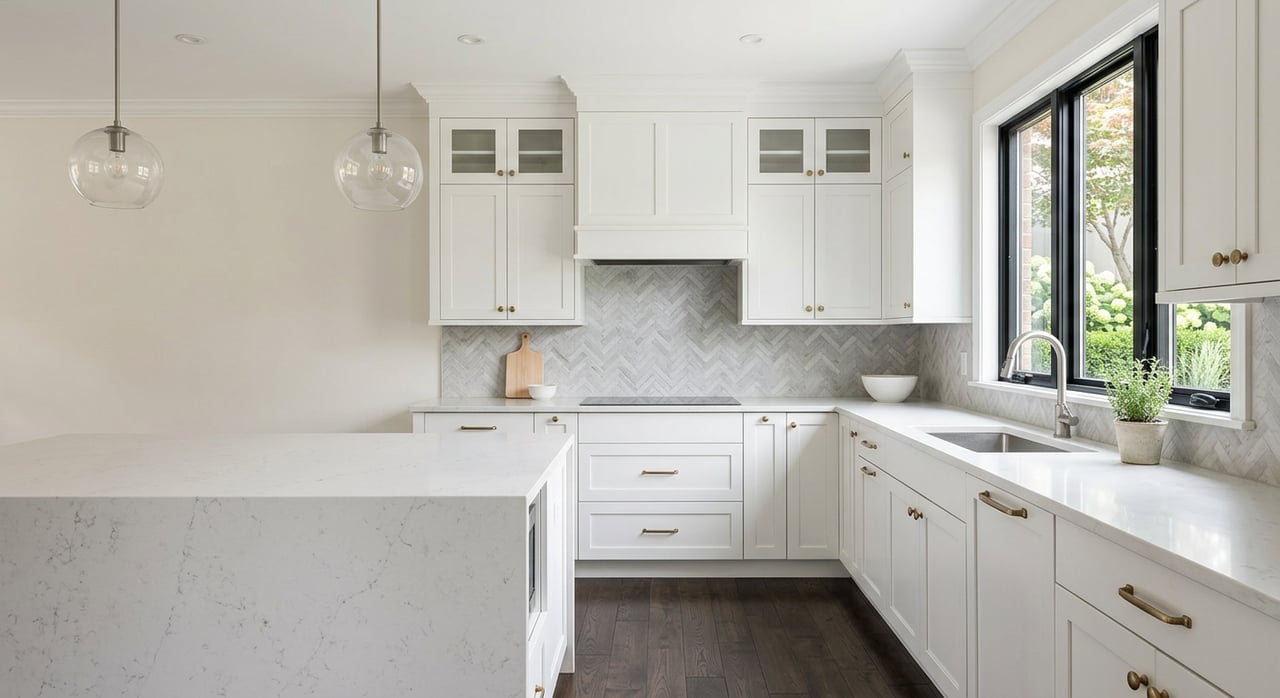
- New construction base prices can look attractive, but you will pay for options and finishes. Cabinets, countertops, flooring, lighting, and exterior items add up. The total can end higher than the initial list price.
- Resale homes may need renovation or repairs soon after closing. Plan for items like roof life, HVAC age, flooring updates, and paint.
- Appraisals rely on comparable sales. If you pick extensive upgrades in a new build and comps do not support the price, you may face an appraisal gap. That can require more cash, a price adjustment, or changes to the contract.
Upgrade budgeting in builder communities
Think of your builder’s base price as the starting line. To set a realistic budget:
- Request an itemized options and pricing sheet. Include cabinets, counters, flooring, appliances, electrical upgrades, lighting, exterior finishes, and smart-home wiring.
- Add items often excluded from base pricing, such as landscaping, window coverings, specialty lighting, and sometimes a garage door opener or additional paving.
- Include outdoor living or basement finish if you want those features now rather than later.
- Add a contingency of 5 to 15 percent for change orders and unforeseen costs. Many buyers underbudget for upgrades and late-stage design choices.
- Consider long-term operating costs. Higher-efficiency HVAC or tankless water heaters may cost more upfront but can reduce utility bills.
Renovation budgeting for resales
Before you make an offer, walk the home with a contractor or schedule quick estimates for your top projects. Get rough numbers for kitchen and bath work, flooring, paint, and any big-ticket items. Compare the all-in cost of buying the resale plus renovations to the all-in cost of a new build with those features included. This apples-to-apples look clarifies value fast.
Timeline and logistics
Your ideal move date often steers the decision.
- Resale homes typically close in about 30 to 60 days, depending on financing and inspections.
- New construction spec homes that are nearly finished can close in about 30 to 90 days.
- To-be-built or custom homes commonly take about 4 to 9 months or more. Weather, builder workload, permits, and change orders can extend timelines.
If you want to move before the school year or start a new job by a set date, a resale or a nearly ready spec home can offer more certainty. If you decide to build, plan for temporary housing, a rent-back arrangement, or bridge financing to keep things smooth.
Inspections and warranties
Inspections protect you on both paths, but the process differs.
New construction
Most builders provide a written warranty that commonly follows a 1-2-10 pattern: one year for workmanship and materials, two years for major systems like HVAC, plumbing, and electrical, and up to a 10-year limited structural warranty. Exact terms vary by builder and warranty provider.
Even with a warranty, hire your own inspector. Phase inspections are smart, such as pre-drywall and a final walkthrough check. Inspectors often catch items not covered by a warranty or issues that are best addressed before you take possession, like grading and drainage concerns.
Resale
Resales do not come with a builder warranty. You will rely on seller disclosures, a full home inspection, and any specialty checks you choose, such as roof, radon, termite, or sewer line. After inspections, you can negotiate repairs, credits, or a price adjustment. The inspection and negotiation window is a key part of your timeline.
Financing differences
Both paths use a mortgage and an appraisal, but the structure can differ.
- Resale purchases typically use conventional, FHA, VA, or USDA loans when eligible. The process is familiar and straightforward for most buyers.
- New builds can involve a construction-to-permanent loan that funds the build in stages, then converts to a standard mortgage at completion. Some builders offer incentives like closing cost help or temporary rate buydowns. Compare the value of incentives to the total price.
- USDA loans may be options in parts of Madison County that meet eligibility criteria. VA and FHA can also work with new construction, but they have extra documentation and inspection requirements.
- Appraisal risk needs attention on both paths. With a highly upgraded new build, ensure recent comparable sales can support your contract price.
Talk with a local lender who understands both construction and traditional loans in Madison County. Get clear on how your approval, rate lock, and appraisal will work on your chosen path.
Neighborhood, lot, and long-term value
You are not just buying a house. You are buying the lot, the street, and the neighborhood market dynamics.
Established neighborhoods
- Pros: mature landscaping, established character, and predictable surroundings. You can see how homes and streets age over time.
- Cons: older systems may need updates. You will have fewer layout and finish choices compared to a new build.
New subdivisions
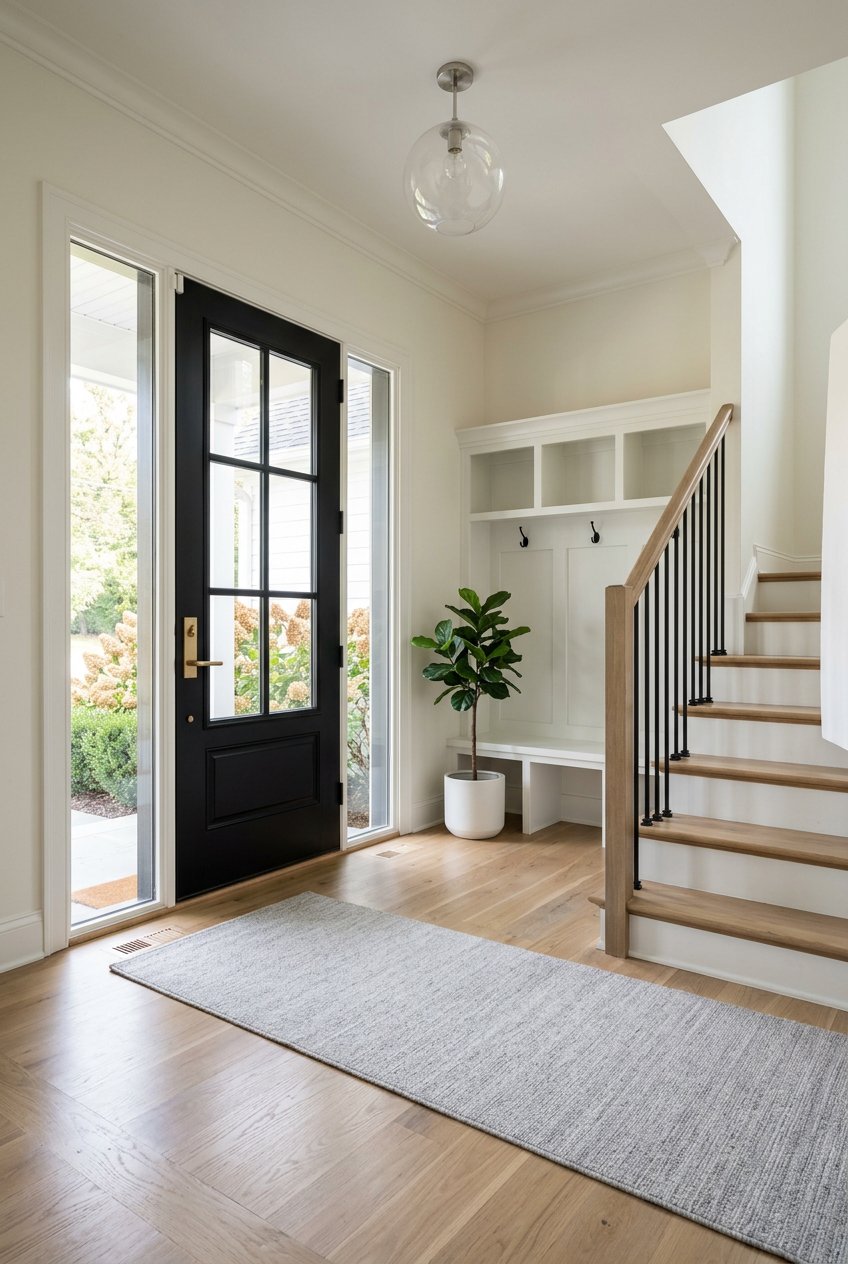
- Pros: new infrastructure, energy-efficient construction, and contemporary floor plans. Communities may add sidewalks or amenities as phases progress.
- Cons: many similar homes can make resale timing competitive. New phases can bring construction traffic. Watch for HOA rules and fees. Lot grading and settling can require early attention.
Resale value depends on location, lot selection, supply and demand, and the quality of comparable sales. The novelty of “brand new” does not guarantee higher appreciation if similar homes are still being built nearby. Choose a lot and layout that stand out for livability, natural light, and practical storage.
Decision checklist for move-up families
Use this simple step-by-step plan to get clarity:
- Get fully preapproved and confirm your lender supports construction loans if you plan to build.
- Pull comparable sales for your target neighborhoods and lot types.
- Tour both new-build options and resales so you can compare floor plans, finishes, and locations.
- For builders, request the written warranty, sample contract, finish sheets, and a build schedule with milestones. Ask for recent buyer references.
- For resales, order a full inspection and any specialty checks you need. Review seller disclosures and insurance and tax history if available.
- Get itemized builder options pricing and firm renovation quotes for any resale upgrades you want.
- Ask about appraisal risk. Confirm there are comparable sales that support your planned price and upgrades.
- Review HOA covenants, fees, and restrictions for any new community you are considering.
- Add non-purchase costs to your budget, such as landscaping, window coverings, and driveway work.
- Plan for timing. Consider temporary housing, rent-backs, or bridge financing if your sale and purchase will not align perfectly.
Negotiation strategies that work
You can negotiate on both paths, but the levers differ.
- With builders: you often get more traction negotiating upgrades, lot premiums, or closing incentives rather than the base price. Make sure any offer has clear expiration dates and is in writing.
- With resale sellers: use inspection results to request repairs or credits. Consider closing dates and possession terms that help both sides. Flexibility can create wins without changing the price.
How I help you choose with confidence
You deserve a guide who knows both the new-construction process and the resale market in Richmond and Madison County. I help you compare homes apples to apples, read the fine print, and see the true total cost of each option.
- Personalized search and neighborhood guidance across Richmond, Madison County, and nearby Bluegrass communities.
- Side-by-side budget modeling for upgrades versus renovations so you can pick the smarter path.
- Trusted local connections for lenders who handle construction loans, independent inspectors for phase checks, and contractors for quick repair estimates.
- Skilled, hands-on negotiation that protects your budget and timeline.
When you are ready to weigh new construction versus resale with a clear, local strategy, reach out. You will feel prepared and supported every step of the way with Natalie Cusic.
FAQs
What is the real difference between new construction and resale in Richmond?
- New builds offer customization, modern codes, and warranties, while resales offer faster timelines, mature neighborhoods, and potential savings if updates are manageable.
How long does it take to build in Madison County?
- Many to-be-built homes take about 4 to 9 months or more, depending on permits, weather, builder workload, and your customization choices.
Do I still need an inspection on a brand-new home?
- Yes. Independent phase inspections, such as pre-drywall and final walk-through, help catch items outside warranty scope and ensure quality before closing.
How should I budget for builder upgrades?
- Start with the base price, add all options and common exclusions, and include a 5 to 15 percent contingency for change orders and unforeseen costs.
Can I use VA, FHA, or USDA loans in Madison County?
- Yes, many buyers do. New construction can carry extra documentation and inspection needs, and USDA eligibility depends on the property location.
What if the appraisal comes in low on a new build?
- You can renegotiate price or options, bring additional cash to close, or work with your lender and agent to challenge the appraisal if appropriate.