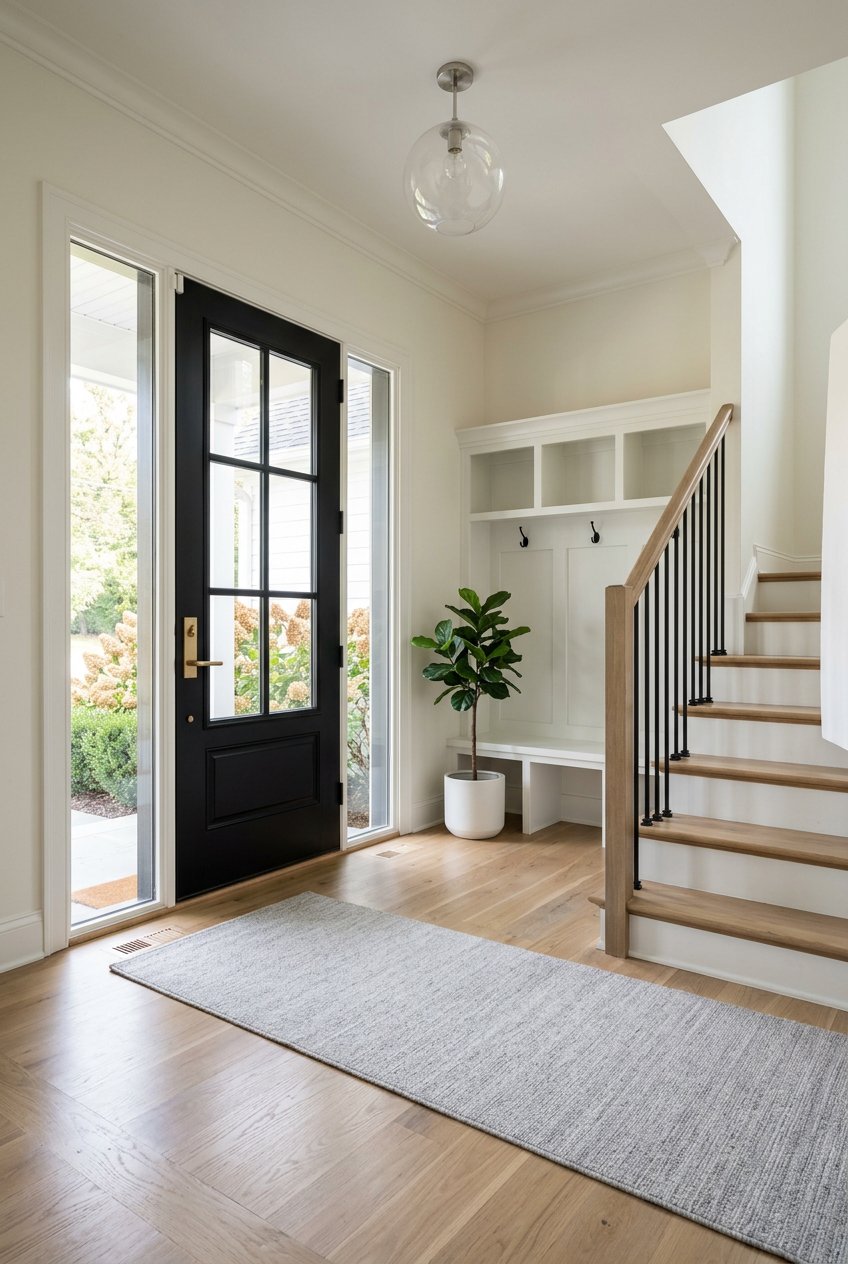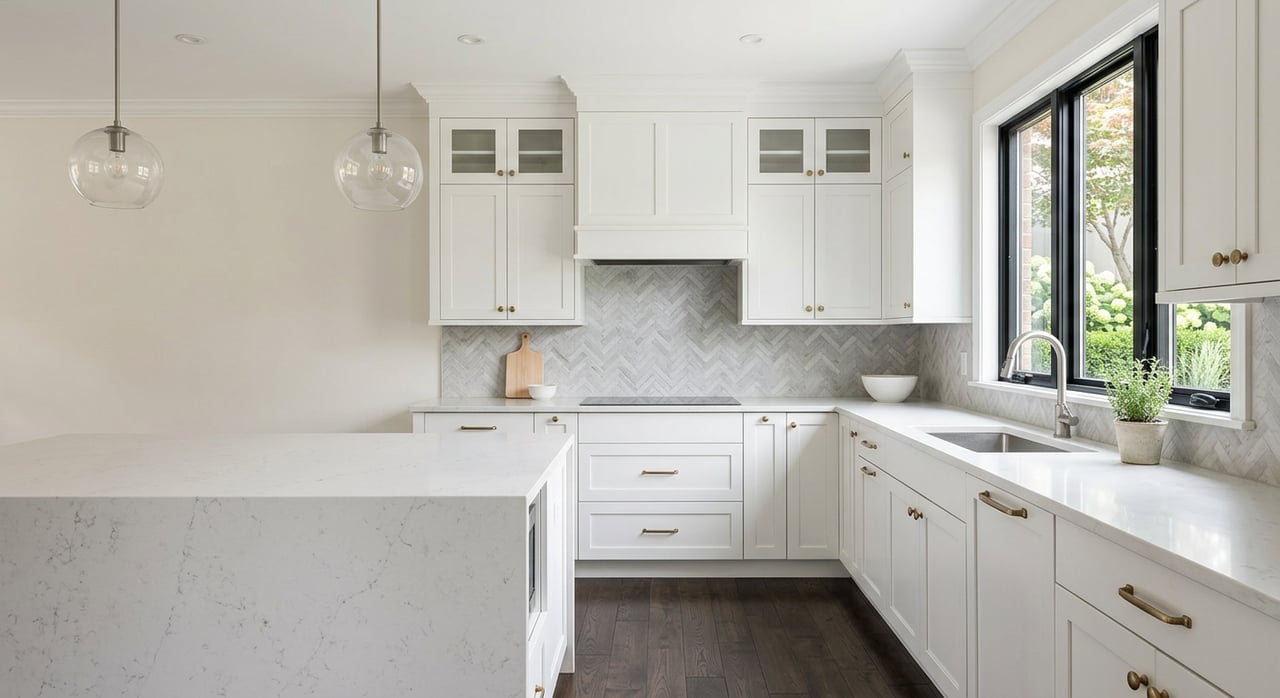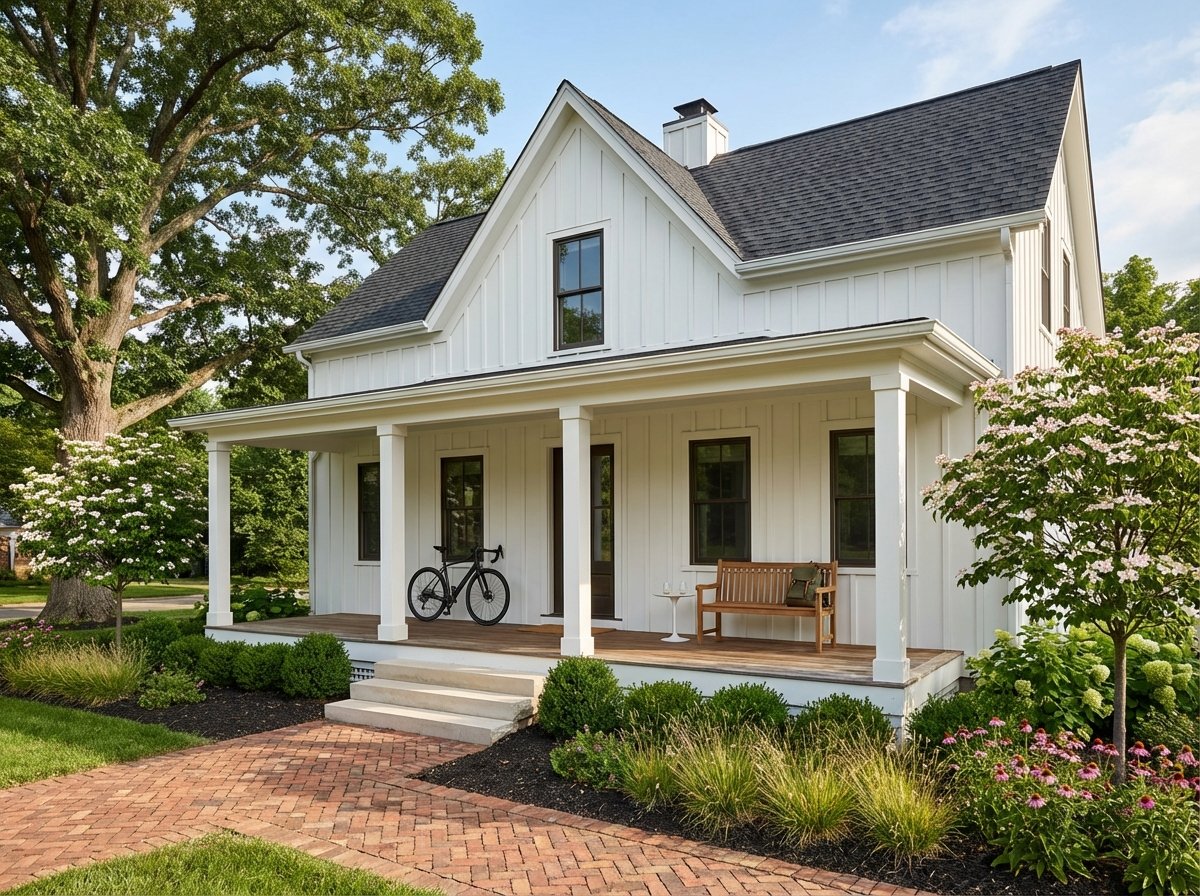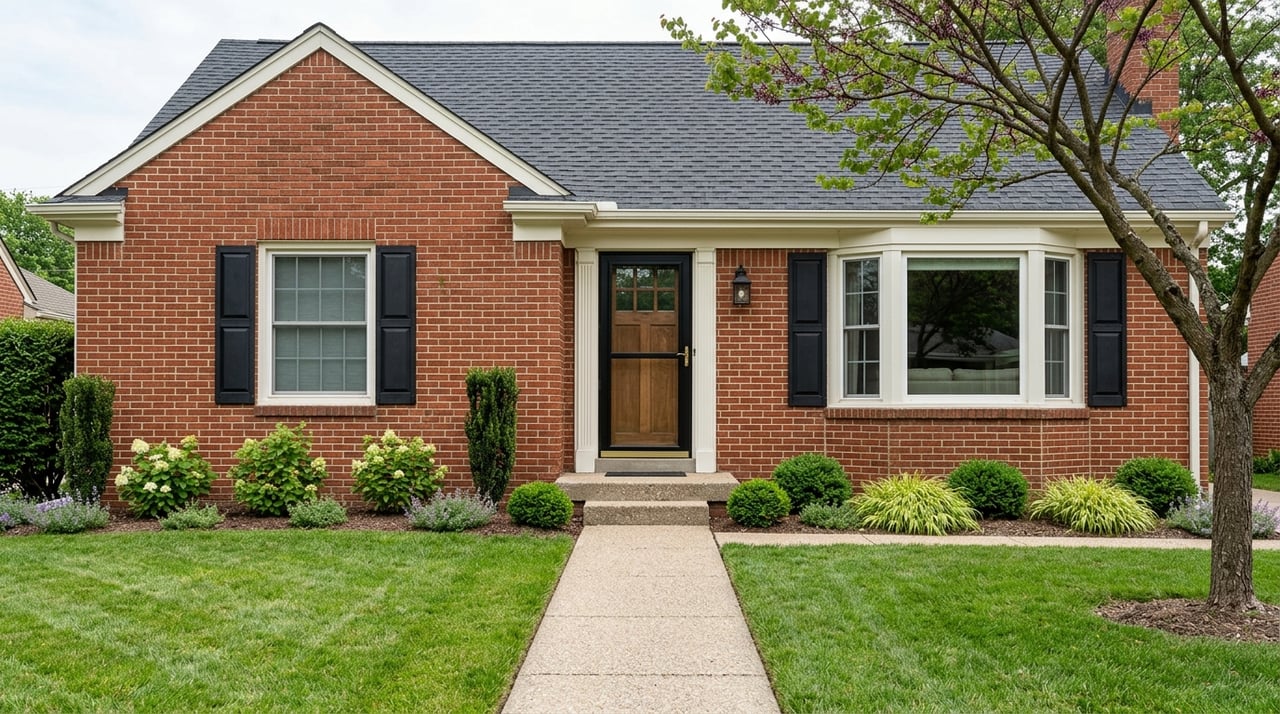
Wondering why some Richmond homes attract serious buyers quickly while others sit and wait? In this market, pricing is not about picking your favorite number. It is about matching your home to what buyers will actually pay today. If you want to sell with confidence, the right strategy can help you protect your value, reduce time on market, and avoid costly price cuts later. Let’s dive in.
Why pricing matters in Richmond
Richmond has real demand behind it. The city’s population reached 39,581 in 2024, Madison County reached 99,582, and Eastern Kentucky University reported 14,565 degree-seeking students in fall 2024, all of which support ongoing housing demand in the area. You can review the latest local population data through the U.S. Census QuickFacts for Richmond and county trends there as well.
At the same time, this is not a market that rewards overpricing. Redfin’s Richmond housing market data shows a February 2026 median sale price of $292,450, average days on market of 88, a 98.2% sale-to-list ratio, and 19.3% of homes with price drops. That tells you buyers are active, but they are also paying attention.
Another important signal is the gap between asking prices and closing prices. Richmond snapshots show median list prices sitting above median sale prices, which means sellers who start too high may end up chasing the market instead of leading it. In a place like Richmond, your first list price matters.
Start with sold comps
The smartest pricing strategy begins with recent sold comparables, often called comps. According to the National Association of Realtors consumer pricing guide, comparable sales are recently sold, similar properties used to help determine market value. The key word is sold, not listed.
Active listings can show your competition, but they do not prove what buyers have agreed to pay. Pending sales can offer clues, but closed sales carry the strongest evidence. If you want to price with confidence, you need to anchor your number in actual results.
What makes a strong comp
The best comps usually come from the same market area and share similar features with your home. Fannie Mae’s comparable sales guidance notes that the strongest comparables are similar in location and characteristics, and the sales comparison approach typically uses at least three closed comps.
That means you should look first at homes with similar:
- Square footage
- Lot size
- Age and overall design
- Bedroom and bathroom count
- Garage or storage features
- Condition and level of updates
If there is no perfect match, the next best sale can still help. The goal is not perfection. The goal is using the closest available evidence and adjusting carefully for the differences.
How recent should comps be?
Recent sales are usually the best place to start because they reflect current buyer behavior. Fannie Mae also notes that older sales may still be useful if they require fewer adjustments, but time adjustments matter when market conditions have changed.
In practical terms, if your nearest comparable sold months ago, you should not assume the same number still fits today. Richmond’s market conditions, buyer options, and pricing pressure can shift while your home is being prepared or listed. That is why a fresh pricing review right before launch is so important.
Adjust for condition and updates
Not all homes in the same neighborhood should be priced the same. A renovated home, a well-kept but dated home, and a home that needs visible work are likely to compete differently, even if their floor plans are similar.
Fannie Mae’s appraisal guidance on improvements and condition makes this clear. Property condition, design, and market demand all affect marketability and value, and differences in condition should be reflected through market-based adjustments.
Renovations do not create automatic value
It is easy to assume every upgrade should push your price higher. Sometimes that is true, but only if local buyers and local comps support the premium. A beautifully updated kitchen can help, but it does not mean you can leap far above the neighborhood’s proven range.
The best question is not, “How much did I spend?” It is, “How are similar updated homes in Richmond actually selling?” Buyers and appraisers are both looking for evidence.
Small improvements can strengthen your price
Condition affects more than appraised value. It also affects how buyers feel when they walk through the door or scroll your photos online. That emotional response can influence both the speed of the sale and the quality of the offers.
According to the NAR 2025 staging report, 29% of agents said staging increased the dollar value offered by 1% to 10%, and 49% said staging reduced time on market. For many sellers, that supports investing in presentation before you ever set the final list price.
In Richmond, that may include:
- Fresh paint in key rooms
- Decluttering and simplifying furniture layouts
- Light cosmetic updates
- Improved curb appeal
- Strategic staging to highlight space and flow
This is where presentation and pricing work together. A home that looks polished and move-in ready is often better positioned to compete at its target price point.
Match your strategy to your price bracket
Buyer sensitivity can change by price range. Richmond’s median household income is $50,870, while Madison County’s is $62,407, according to the U.S. Census QuickFacts data. That helps explain why many buyers are especially attentive to monthly payment, condition, and overall value.
A simple way to think about pricing strategy is by bracket.
Lower-priced homes
Homes at the lower end of the market often compete most on affordability and move-in readiness. Buyers in this range may have less room in their budget for repairs or upgrades, so clean presentation and realistic pricing can matter a great deal.
Mid-range homes
Mid-range homes often compete on balance. Buyers are comparing layout, condition, updates, lot, and overall presentation all at once. If your home is in this bracket, pricing too aggressively can make buyers wonder whether the finishes and features justify the jump.
Higher-priced homes
Higher-priced homes usually need tighter support from comps, stronger presentation, and finishes that clearly match the asking price. As your price rises, the buyer pool may narrow, and expectations often rise with it. That makes thoughtful pricing even more important.
Treat the first few weeks seriously
Your first few weeks on the market can tell you a lot. In Richmond, where homes are taking around 88 days to sell and price drops are already common, the early response is a useful test of whether your pricing and presentation are working.
If buyers are touring, saving, and responding positively, you may be well positioned. If activity is soft, the market may be giving you feedback you should not ignore.
Signs your price may be too high
Watch for patterns like:
- Few or no showings
- Strong online views but limited in-person interest
- Repeated feedback about price
- Buyers choosing similar homes instead
- No serious offers in the first few weeks
These signs do not always mean your home is flawed. More often, they mean buyers do not see enough value at the current number.
Reprice based on evidence
Price reductions can feel frustrating, but waiting too long can make the problem worse. The NAR pricing guide PDF notes that sellers who need speed may choose a more competitive price, while others may start higher if they have more time. Even so, if the market does not support your price, data should win over emotion.
A smart repricing strategy is not a failure. It is a reset based on fresh evidence. If new listings come on stronger, sold comps trend lower, or buyer feedback is consistently pointing to price, adjusting quickly may help you regain momentum.
Why timing matters
The longer a home lingers, the more buyers may wonder what is wrong with it. A well-timed adjustment can bring your listing back into search ranges, create new interest, and improve the odds of a stronger outcome than a delayed series of small cuts.
That is why strategic sellers do not just set a price and hope. They watch the market, review feedback, and make decisions from facts.
Build a pricing plan that supports your goals
The right list price depends on your home, your competition, your condition, and your timeline. If your goal is a faster sale, a more competitive price may help. If your home shows beautifully and has rare features backed by strong comps, you may have room to push toward the top of the range.
What matters most is having a plan grounded in Richmond data, not guesswork. That includes recent sold comps, market-aware adjustments, honest assessment of condition, and a willingness to respond if the market gives new information.
If you want a pricing strategy that balances thoughtful presentation with real local data, Natalie Cusic brings a boutique, hands-on approach to selling in Richmond and the surrounding Bluegrass markets.
FAQs
How should you price a home in Richmond, KY?
- The strongest approach is to start with recent sold comps in Richmond, adjust for condition and features, and use current market data instead of relying on hopeful list prices.
How recent should comps be for a Richmond home sale?
- Comps should be recent enough to reflect current market conditions, and if older sales are used, they may need time adjustments based on market changes.
Should updates raise your Richmond home price automatically?
- No. Updates can support a higher price only when comparable local sales and market-supported adjustments show buyers are paying more for that level of condition.
Do staging and cosmetic updates matter when selling in Richmond?
- Yes. NAR research suggests staging can improve offered value and reduce time on market, which can help your home better support its asking price.
When should you lower the price on a Richmond listing?
- If the first few weeks bring weak showings, repeated price objections, or little offer activity, it may be time to adjust based on market evidence rather than wait it out.